

Anxiety Disorders medications
Understanding Anxiety Disorder
Anxiety Disorders is a prevalent emotional experience in the UK, acting as your brain’s alarm system in response to stress. It serves as a signal, alerting you to potential danger that may lie ahead. When it comes to managing anxiety, you can confidently buy anxiety disorders the necessary medication in the UK.
It’s completely normal to feel anxious from time to time. For instance, you might experience a surge of worry when facing a daunting work task, just before an important exam, or while grappling with a significant life decision. Occasional anxiety is manageable and often adaptive. However, anxiety disorders represent a distinct and more complex challenge. They encompass a variety of mental health conditions that lead to persistent, overwhelming feelings of anxiety and fear. This heightened state of anxiety can be so disruptive that it compels individuals to withdraw from work, school, family gatherings, and other social situations that could trigger or heighten their symptoms. Fortunately, with appropriate treatment, many individuals grappling with anxiety disorders can find effective ways to manage their symptoms.
Types of Anxiety Disorders in the UK
Anxiety disorders takes on various forms, leading to several different anxiety disorders, including:
– Generalized Anxiety Disorders: Individuals with this disorder often find themselves caught in a web of excessive, unrealistic worry and tension regarding everyday tasks. These relentless feelings can become all-consuming, overshadowing daily life.
– Panic Disorder: This disorder manifests as sudden episodes of intense fear known as panic attacks. During such an episode, one might experience a torrent of physical symptoms, including sweating, chest pain, and a rapid heartbeat. The sensation can be so overwhelming that it may feel like a heart attack or choking. Following an attack, it’s common to develop an aversion to situations that could trigger another episode.
– Social Anxiety Disorder: Also referred to as social phobia, this condition evokes profound self-consciousness and apprehension in everyday social contexts. Individuals may be consumed by the fear of being judged, embarrassed, or ridiculed, often leading them to steer clear of social situations altogether.
– Phobias: Phobias involve an extreme, irrational fear of specific objects or scenarios, such as heights or flying. Such fears are disproportionate and can significantly hinder one’s ability to engage in ordinary activities.
– Agoraphobia: This anxiety disorder induces a profound fear of being in places where escape may seem difficult or help unavailable during a crisis. This can trigger panic in situations like being on public transport, in confined spaces, standing amidst crowds, or even just being away from home.
– Separation Anxiety: It’s not just children who can experience this feeling; individuals of all ages can suffer from separation anxiety disorder. Those affected experience intense anxiety or fear when a loved one leaves their presence, often accompanied by a pervasive worry that something may befall that individual. For older individuals, this anxiety may emerge after a traumatic experience.
– Selective Mutism: This condition disproportionately affects young children who typically converse freely with their family but become mute in public settings, like at school.
– Medication-Induced Anxiety Disorder: This type can occur as a side effect of certain medications or illegal drugs or during withdrawal from specific substances, resulting in anxiety symptoms.
– Unspecified and Other Specified Anxiety Disorders: In some cases, the anxiety experienced by an individual may not neatly fit into any established category but is significant enough to cause distress and various symptoms.
Symptoms of Anxiety Disorders
The hallmark symptom of anxiety disorders is a pervasive and excessive sense of fear or worry. These conditions can leave you feeling breathless, restless, and unable to focus, with specific symptoms varying by the type of anxiety disorder present. You can easily order medication for anxiety disorders medications in the UK.
Common symptoms include:
– Overwhelming feelings of panic, fear, and impending doom
– Prolonged sleep disturbances or chronic fatigue
– Difficulty remaining calm and still
– Cold, clammy, or tingling sensations in the hands or feet
– Shortness of breath and rapid breathing (hyperventilation)
– Heart palpitations and an increased heart rate
– Trembling or shaking
– A dry mouth and gastrointestinal disturbances
– Nausea or an upset stomach
– Muscle tension and fatigue
– Dizziness or persistent weakness
– An incessant loop of thoughts about distressing issues (rumination)
– Inability to concentrate
– An intense urge to avoid situations, objects, or places that provoke fear
Causes of Anxiety Disorders
While the origins of anxiety disorders may not be fully understood, several factors contribute to their development:
– Genetics: These disorders can often run in families, indicating a potential hereditary factor.
– Brain Chemistry: Research suggests that anxiety disorders may stem from malfunctioning circuits in the brain that govern fear and emotional responses.
– Environmental Stress: Traumatic events, whether witnessed or experienced, can instigate anxiety disorders. Examples of triggering life events include childhood abuse, the loss of a loved one, or exposure to violence.
– Drug or Alcohol Misuse: Some individuals may turn to substances to conceal or alleviate anxiety symptoms, often leading to a cycle of dependency and heightened anxiety.
– Medical Conditions: Other health issues, particularly chronic conditions of the heart, lungs, or thyroid, can either mimic symptoms akin to anxiety disorders or exacerbate existing anxiety. Conditions such as irritable bowel syndrome, asthma, or hormone-secreting tumors may also be linked to anxiety.
It’s crucial to have a thorough physical examination when discussing anxiety with a healthcare provider, as anxiety symptoms can sometimes be an initial indicator of an underlying medical condition.
Anxiety Disorders Diagnosis
If you find yourself grappling with unsettling symptoms, your journey begins with a thorough examination by your doctor, who will delve into your medical history within the UK. This initial assessment is crucial to unraveling the roots of your anxiety.
To pinpoint the cause of your distress, your doctor may conduct various tests to exclude other potential health issues that could be manifesting similar symptoms. While no laboratory test can definitively diagnose anxiety disorders, the insights gathered during these evaluations are invaluable. Should your doctor uncover no physical explanations for your feelings, they may recommend a referral to a psychiatrist, psychologist, or another specialized mental health professional. These experts will engage you in insightful conversations, deploying a range of tools and assessments to determine whether an anxiety disorder is at play.
Your healthcare providers will carefully consider the duration and intensity of your symptoms. It’s vital to communicate openly about how your anxiety might be interfering with your daily life—whether at home, work, or school—so they can tailor a diagnosis and treatment plan suited to your needs. Notably, the UK Preventive Service Task Force advocates for screening for anxiety in children and adolescents aged 8 to 18 years, alongside screenings for major depressive disorder (MDD) in adolescents aged 12 to 18 years.
Anxiety Disorder Treatments in the UK
Fortunately, a multitude of treatment options exists to help alleviate and manage the symptoms of anxiety disorders in the UK. Commonly, individuals find relief through a combination of medication and counseling.
When it comes to anxiety medications, a variety of options are on the table, each tailored to fit individual needs. It’s important to engage in discussions with your doctor or psychiatrist about the benefits and drawbacks of different medications to find the one that resonates best with your situation.
Antidepressants: Modern antidepressants, particularly selective serotonin reuptake inhibitors (SSRIs) and serotonin-norepinephrine reuptake inhibitors (SNRIs), are often the front-line defense against anxiety disorders. Popular SSRIs include escitalopram (Lexapro) and fluoxetine (Prozac), while SNRIs such as duloxetine (Cymbalta) and venlafaxine (Effexor) also play a pivotal role in treatment.
Bupropion: This alternative antidepressant targets chronic anxiety and operates through a unique mechanism that distinguishes it from SSRIs and SNRIs.
Other Antidepressants: While tricyclics and monoamine oxidase inhibitors (MAOIs) are less frequently prescribed due to their potential side effects—like drops in blood pressure, dry mouth, and blurry vision—they remain options for some patients.
Benzodiazepines: These medications provide immediate relief from anxiety symptoms, helping to calm the storm in moments of distress.
Beta-blockers: Originally developed to treat high blood pressure, these drugs can be invaluable in controlling physical symptoms of anxiety, such as a racing heart or trembling, allowing you to feel more at ease during acute anxiety episodes.
Anticonvulsants: While they primarily prevent seizures in epileptic patients, some of these medications can also alleviate anxiety symptoms when used off-label.
Antipsychotics: In low doses, these medications may be employed off-label to enhance the effectiveness of other treatments.
Buspirone (BuSpar): This anti-anxiety medication offers steady relief, although it may take several weeks before you notice the full benefits.
Therapies for Anxiety Disorders in the UK
When it comes to psychotherapy, a powerful form of counselling, individuals are empowered to uncover the connections between their emotions and behaviours. This process, often referred to as psychological counselling or talk therapy, involves a trained mental health specialist who engages you in reflective dialogue about your thoughts and feelings. Together, you’ll explore strategies to navigate and manage your anxiety with greater control and understanding.
Cognitive Behavioral Therapy (CBT): A widely practiced form of psychotherapy, CBT teaches you to transform negative, panic-inducing thoughts and behaviors into positive, constructive ones. Through this approach, you’ll learn effective techniques to confront and manage fearful or worrisome situations without succumbing to anxiety disorders—often referred to as exposure therapy. In some settings, family-focused CBT sessions are available, helping families work together to support one another through their individual challenges.
With these comprehensive diagnostic and treatment options, there’s hope for those seeking relief from the grip of anxiety disorders, leading to a more fulfilling everyday life.
Managing Anxiety Disorders Symptoms in the UK
Navigating the landscape of anxiety disorders can be daunting, but with the right strategies, you can take control of your symptoms. Here are some insights that might help you on this journey:
Educate Yourself About Your Anxiety Disorders: Understanding the intricacies of your anxiety disorder is empowering. The more you learn, the better equipped you’ll be to manage the waves of emotions and challenges that arise. Don’t hesitate to reach out to your healthcare provider with questions; you’re an integral part of your health care team and deserve clarity about your condition.
Adhere to Your Treatment Plan: Sticking to your prescribed medication is crucial. Abruptly halting your medication can unleash a cascade of unpleasant side effects, potentially exacerbating your anxiety. Consistency is key in maintaining balance.
Reduce Caffeine Intake: Consider cutting down on caffeine-laden beverages and foods like coffee, tea, cola, energy drinks, and even chocolate. Caffeine is a stimulant that can escalate feelings of anxiety and disrupt your mood’s natural equilibrium.
Steer Clear of Alcohol and Recreational Drugs: Engaging in substance use can create a breeding ground for anxiety, amplifying your symptoms and complicating your experience. Prioritizing your mental health means avoiding these temptations.
Prioritize Nutritious Eating and Regular Exercise: Nourish your body with wholesome foods and engage in brisk aerobic activities like jogging or biking. These exercises release endorphins, the body’s natural stress relievers, leaving you feeling energized and uplifted.
Cultivate Quality Sleep: The relationship between sleep and anxiety is a complex one. Make restful slumber a priority—establish a serene bedtime routine that lulls you into a peaceful night’s sleep. If sleep eludes you, consult your doctor for helpful strategies.
Master the Art of Relaxation: Infusing stress management techniques into your daily life can significantly enhance your treatment plan. Explore practices like meditation or mindfulness; these methods can help you unwind, creating a peaceful refuge from your anxiety.
Keep a Journal: Pouring out your thoughts onto the pages of a journal can be cathartic. Writing before bedtime can clear your mind, easing you into a tranquil sleep rather than wrestling with anxious thoughts.
Challenge Negative Thoughts: Transforming your mindset from one of worry to positivity is a powerful tool against anxiety. This shift can be particularly difficult depending on your specific type of anxiety, but cognitive behavioral therapy can equip you with techniques to reshape your thoughts.
Connect with Friends: Embrace the warmth of social connections, whether in person, over the phone, or online. Engaging with supportive friends can foster resilience, helping lower feelings of social anxiety.
Seek Support from Others: Connecting with individuals who share similar struggles can be uplifting. Participating in self-help or support groups allows you to voice your concerns and celebrate achievements in the company of those who understand.
Consult Your Doctor: Before introducing over-the-counter medications or herbal remedies into your routine, check with your healthcare provider or pharmacist. Some substances can have adverse effects and may intensify your anxiety symptoms.
Living With Anxiety Disorders
Living with an anxiety disorder can be a relentless and exhausting experience, enveloping you in a shroud of worry and fear. Each day can feel like an uphill battle, but by speaking with a doctor about your symptoms, you’ve taken a significant step towards liberating yourself from that overwhelming concern.
Finding the right path to manage your anxiety may take time, and if you face multiple anxiety disorders, be prepared for a multifaceted approach to treatment. Most individuals find that a blend of medication and counseling offers the best opportunity for healing. With persistent care and the right support, managing your symptoms becomes not only achievable but can also lead you to flourish.
Takeaways
Experiencing anxiety occasionally is part of the human experience. However, if you frequently find yourself overwhelmed by symptoms—like racing thoughts, persistent nervousness, an inability to remain calm, or uncontrollable worry—it may indicate an anxiety disorders. A variety of effective treatment options, including behavioral therapy and medication, are available. Don’t hesitate to consult your doctor if you suspect you are experiencing symptoms; they can guide you towards a tailored treatment plan. “Looking for anxiety disorders medications available for sale in the UK? We’re here to help you find what you need!”
Anxiety Disorders FAQs
What is the 3-3-3 rule for anxiety?
The 3-3-3 rule is a grounding technique that can help when anxiety strikes. Shift your focus by identifying three things you see, three things you hear, and then moving three different body parts. This simple exercise can help recenter your mind.
What are the 7 different types of anxiety?
Anxiety disorders come in various forms, including generalized anxiety disorder, phobias, agoraphobia, social anxiety disorder, separation anxiety, panic disorder, and selective mutism.
What is life like for a person with anxiety disorders?
Living with anxiety often means enduring frequent episodes of worry or fear, accompanied by physical symptoms like a racing heart, dizziness, or feelings of weakness. Many individuals learn to avoid situations that trigger these unsettling experiences. Purchase anxiety disorders medication in the UK.
How do you deal with anxiety disorders?
If you suspect you are struggling with anxiety disorders in the UK, consult your doctor. Seek to understand the roots of your symptoms, consider joining supportive communities, limit caffeine intake, and explore effective stress management techniques to pave the way for a healthier mindset.
Showing all 5 results
-
 Anxiety Disorders medications
Ativan Tablet
Price range: £100.00 through £600.00Clear0.5mg 30 Tablets0.5mg 60 Tablets0.5mg 120 Tablets0.5mg 240 Tablets1mg 60 Tablets1mg 120 Tablets1mg 240 Tablets2mg 30 Tablets2mg 60 Tablets2mg 120 Tablets2mg 240 Tablets -
 Anxiety Disorders medications
Clonazepam tablet
Price range: £160.00 through £570.00Clear0.5mg 60 Tablets0.5mg 120 Tablets0.5mg 240 Tablets1mg 60 Tablets1mg 120 Tablets1mg 240 Tablets2mg 60 Tablets2mg 120 Tablets2mg 240 Tablets -
 Anxiety Disorders medications
Rohypnol Pills
Price range: £170.00 through £550.00Clear60 Pills120 Pills240 Pills -
 Anxiety Disorders medications
Valium tablet
Price range: £170.00 through £550.00Clear5mg 60 Tablets5mg 120 Tablets5mg 240 Tablets10mg 120 Tablets10mg 240 Tablets -
 Anxiety Disorders medications
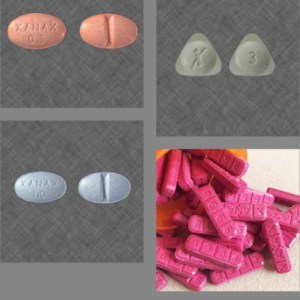
Xanax tablet
Price range: £130.00 through £800.00Clear0.5MG 60 tablets0.5MG 120 tablets0.5MG 240 tablets1MG 30 tablets1MG 60 tablets1MG 120 tablets1MG 240 tablets2MG 30 tablets2MG 60 tablets2MG 480 tablets3MG 30 tablets3MG 60 tablets3MG 120 tablets3MG 280 tablets